DNS (Domain Name System) is like a phone book for the internet. If you know a person’s name but don’t know their telephone number, you can simply look it up a phone book. DNS provides this same service to the internet.
When you visit http://www.seekahost.com in a browser, your computer uses DNS to retrieve the website’s IP address. DNS is used to maps IP address or 32 bit binary number into a domain name & reverse (domain name into binary number). A DNS name server is a server that stores the DNS records for a domain; a DNS name server responds with answers to queries against its database.
DNS have two types of domains.
- Fully qualified domain name
- Partially qualified domain name
For example www.cbe.seekahost.com
www = Host name
.cbe = Sub domain
.seekahost = Domain name
.com = Root domain
Fully qualified domain name:(FQDN)
Fully qualified domain name consists of host name, sub domain, domain name, root domain.
Partially qualified domain name:(PQDN)
If any domain parts are missing, that is partially qualified domain.
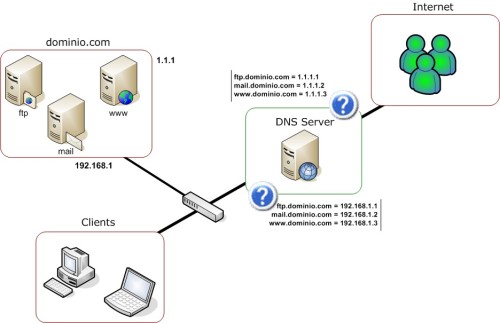
DNS RECORDS
There are 8 records in DNS.
- SOA record
- NS record
- A record
- AAAA record
- PTR record
- C-name record
- MX record
- TXT record
SOA:(start of authority)
SOA holds the information about the domain name IP address, users and their passwords.
NS:(Name server)
Name server holds the domain name information.
A :(Address)
A record used to map a FQDN(fully qualified domain name) to IPv4 address.
AAAA:
It used to map a FQDN to IPv6(version 6) address.
PTR:(pointer)
Pointer is used for IP address to fully qualified domain name mapping.
C-name:
Alias of one name to another(sub name). It used to another name for the domain security.
MX:(mail exchange)
It used to send & receive a mail over a domain. It create maximum 90 users.
TXT:(text record)
Text record holds the general information.
 Rocky Mithun